Intrinsic Endothelial Remodeling Drives Brain Capillary Repair
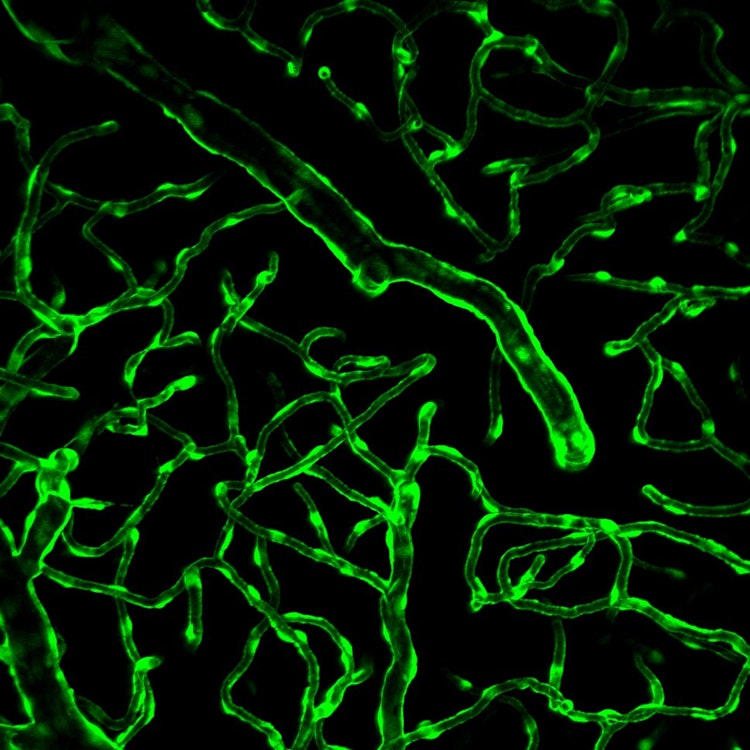
The brain’s microvasculature is essential for oxygen and nutrient delivery; however, the mechanisms underlying cerebral capillary repair following injury remain largely elusive. Here, we identify an unrecognized mechanism through which brain capillary endothelial cells (ECs) autonomously promote capillary remodeling. Using longitudinal two-photon imaging in mice, we demonstrate that following focal endothelial injury and selective loss of a single EC, neighboring ECs extend their plasma membranes toward each other, rapidly re-establishing capillary continuity and blood flow within 24–48 h. This repair process engages vascular endothelial growth factor receptor 2 (VEGFR2) signaling but occurs independently of perivascular or glial cell involvement. Finally, we reveal regional differences in repair efficacy, with hippocampal capillaries exhibiting a slower and less-efficient response compared with those in the cortex. These findings reveal an intrinsic mechanism that safeguards microvascular integrity and suggest that regional vulnerabilities in endothelial repair could shape brain resilience to injury and disease.
Download
condrau-2026-b.pdfResearchers


